Measurable Environmental Activity
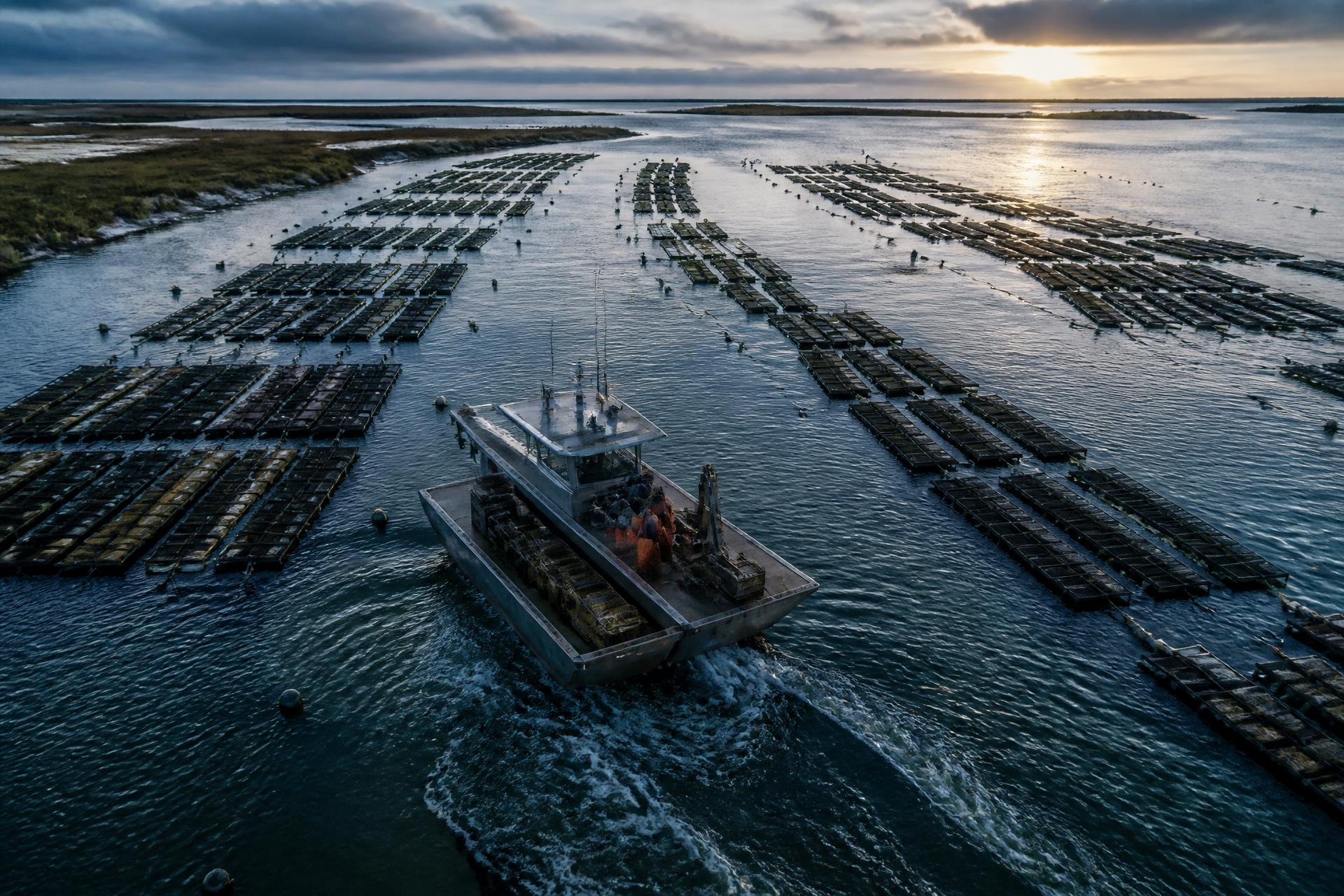
Assets are associated with real, ongoing commercial aquaculture activity rather than abstract projections.
Nutrient & Water-Quality Credits
ETR's current environmental-market work includes nutrient credits associated with measurable nitrogen and phosphorus benefits from qualifying oyster aquaculture. These assets fall within the broader category of water-quality environmental assets.
ETR's Role
ETR develops the market side of the opportunity — building producer relationships, representing qualifying environmental-credit opportunities, working through strategic program relationships, developing prospective buyer relationships, and helping move credible environmental assets toward market.
ETR has established producer relationships and contracted program relationships supporting recurring generation of qualifying environmental assets, and works to align environmental assets, producers, strategic program partners, and prospective purchasers around a single, understandable opportunity.
Terminology matters here. Environmental credits and environmental assets are the broad umbrella. Water-quality environmental assets are a more specific category. Nutrient credits are the most specific terminology for quantified nitrogen and phosphorus environmental benefits under the applicable methodology or program.
The Environmental Opportunity
Excess nitrogen and phosphorus can contribute to water-quality problems in coastal and estuarine systems. Managing those nutrient loads is a long-standing priority for municipalities, utilities, industrial facilities, and the organizations that support them.
Oysters are filter feeders and interact with nutrients present in the surrounding water as part of their biological processes.
Qualifying oyster-aquaculture activity may produce measurable environmental benefits that can be quantified under applicable methodologies. Quantification depends on the specific operation, methodology, and program — not on the presence of oysters alone.
Why Oyster Aquaculture
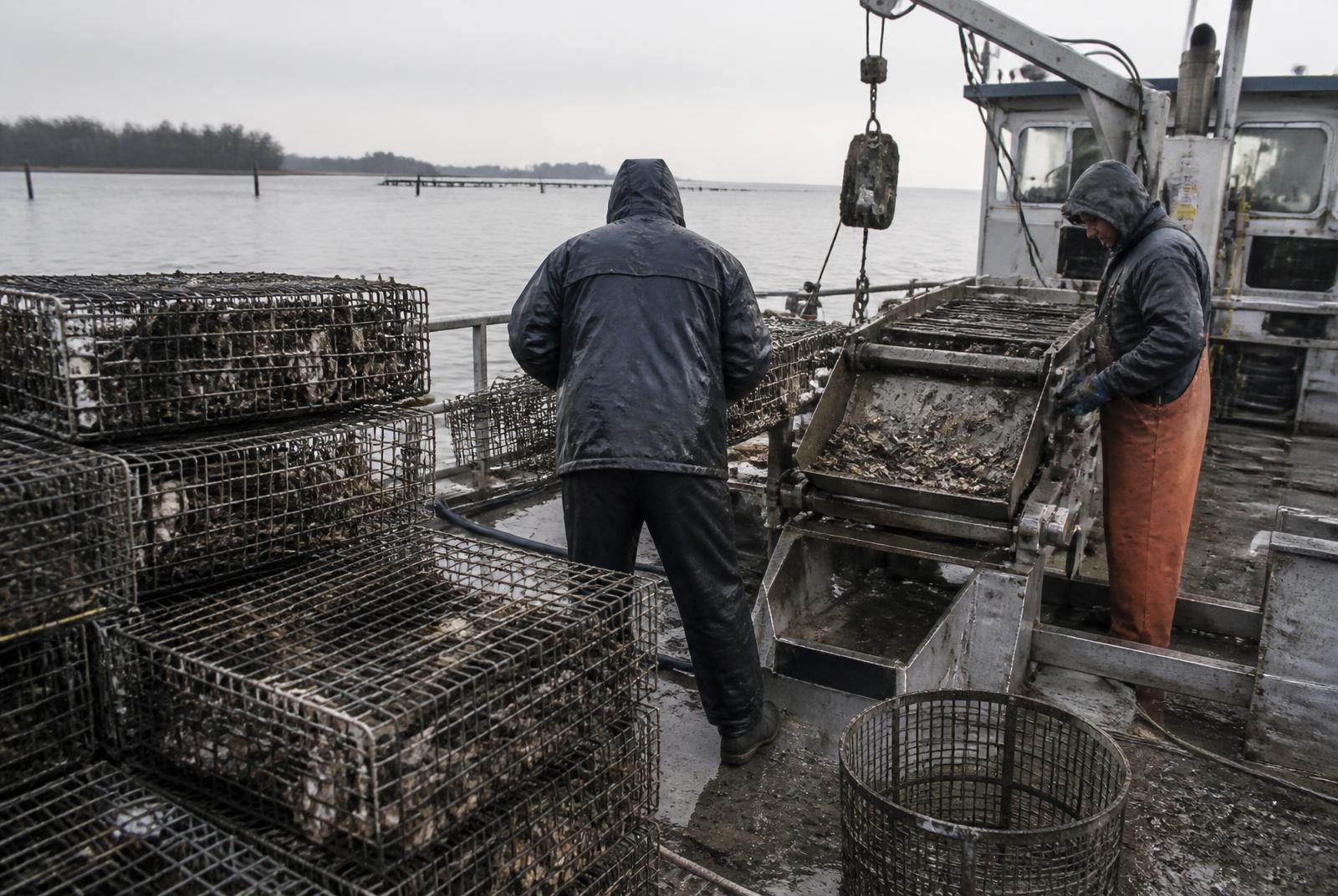
Commercial oyster aquaculture is working infrastructure. It requires permitted waters, vessels, gear, equipment, labor, capital, infrastructure, and ongoing production on a working schedule.
Environmental-market opportunities can potentially recognize measurable environmental value generated alongside that productive aquaculture — value created by work producers are already performing.
ETR develops the commercial pathway around that environmental value: producer relationships, qualifying asset portfolios, strategic program relationships, and prospective buyer engagement.
From Activity to Asset
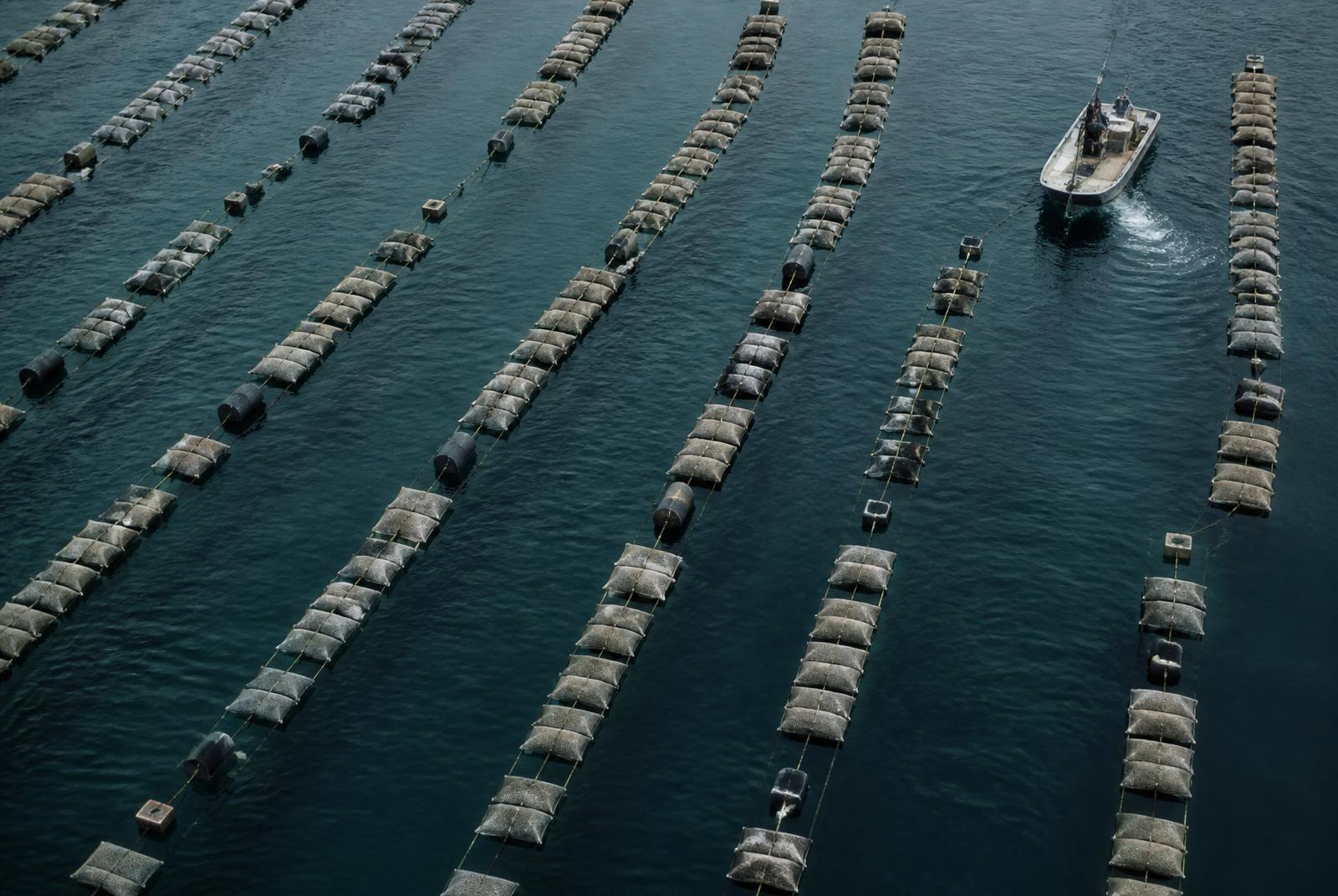
Qualifying oyster aquaculture creates measurable environmental benefits associated with nutrients such as nitrogen and phosphorus.
Qualifying production and environmental activity are documented at the source under the applicable methodology.
Qualifying environmental outcomes are quantified under the applicable methodology or program.
Through applicable strategic program relationships, qualifying assets undergo validation and certification processes where applicable.
Qualifying environmental assets can be uniquely registered and digitized through applicable program relationships.
Registration can support an identifiable digital record associated with the environmental asset, including blockchain-supported registration where applicable.
Independent program functions including validation, certification, registration, and digitization are provided through applicable strategic program relationships, creating separation between ETR's market-development role and the independent processes supporting environmental-asset integrity.
For Prospective Purchasers
Assets are associated with real, ongoing commercial aquaculture activity rather than abstract projections.
Qualifying production and environmental activity are documented at the source, so the origin of an asset remains identifiable.
Environmental outcomes are quantified under the applicable methodology or program governing the asset.
Where applicable, validation, certification, registration, and digitization occur through strategic program relationships.
Registered and digitized assets can carry identifiable records supporting how the asset came to exist.
Qualifying assets can be uniquely registered, supporting clear records of what an organization holds.
Program applicability, regulatory treatment, environmental claims, and financial treatment depend on the specific asset, jurisdiction, methodology, and intended use. ETR evaluates prospective opportunities individually.
For Oyster Producers
Oyster producers already invest capital, labor, vessels, equipment, gear, permitted water, infrastructure, and operating expense into productive aquaculture.
Where qualifying production generates measurable environmental value, environmental markets may provide an additional revenue opportunity associated with those environmental benefits.
ETR develops producer relationships and works with applicable strategic program relationships to help qualifying environmental activity move toward recognized environmental assets and broader markets.

Traceability
Traceability helps prospective purchasers understand what an environmental asset represents, where it originated, how it was measured, and how applicable program processes were completed.
Through applicable program relationships, qualifying assets may be uniquely registered and digitized, including blockchain-supported registration where appropriate.
Blockchain-supported registration is infrastructure supporting the record — not the environmental product itself. The substance is the measurable environmental activity behind it.